Dependable Paving Contractor for Resilient Driveways and Roads
Appointing a reliable paving contractor is paramount for establishing durable asphalt surfaces and lanes. Careful deliberation secures durability and quality standards in paving projects. Criteria such as qualifications, user reviews, and technical competence critically determine the ultimate result. Comprehending the complexities of cost structures and post-project care can greatly facilitate the selection process. When property owners examine their possibilities, important core elements require rigorous assessment to secure a successful investment. What considerations should they focus on during their pursuit?
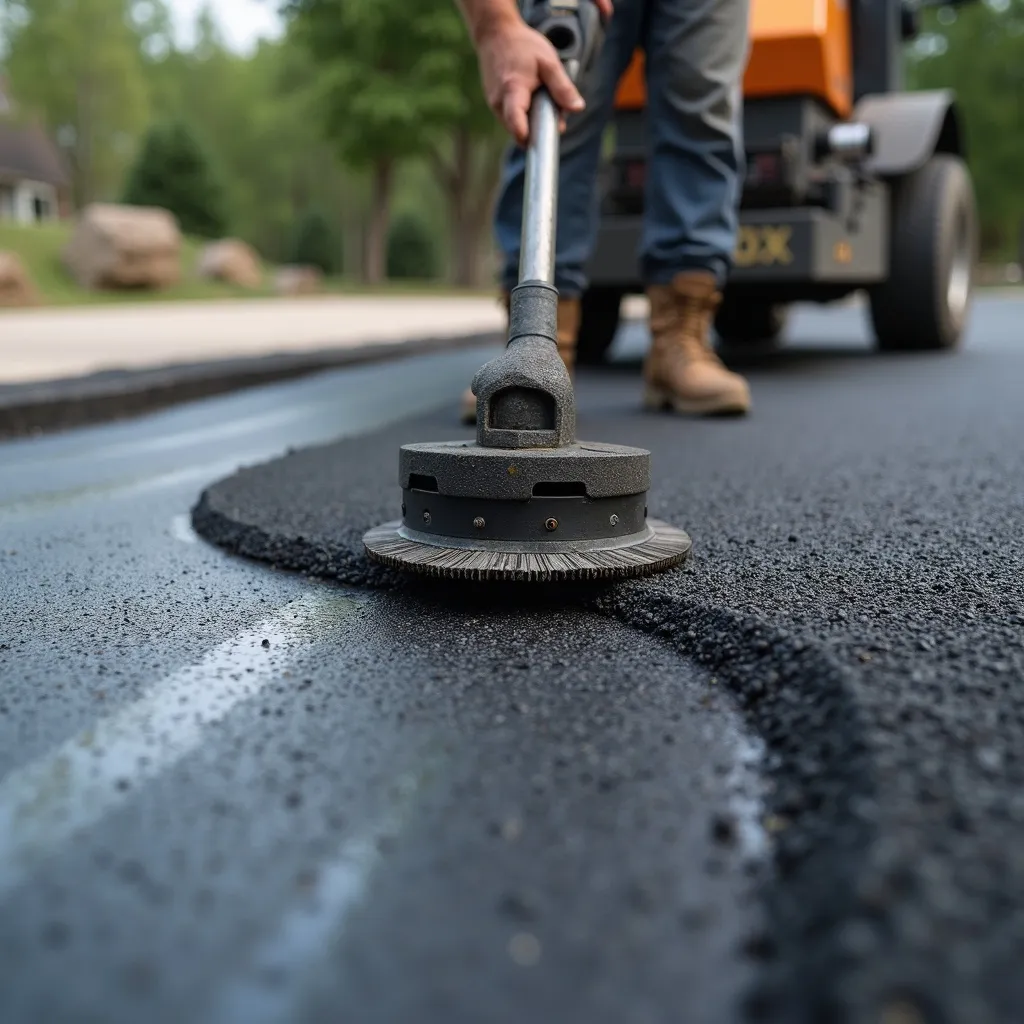
How to Pick an Experienced Paving Contractor
When establishing an professional paving contractor, one might speculate what essential criteria to evaluate. First, it is paramount to inspect the contractor's credentials, including permits and indemnification, to substantiate compliance with local regulations and assurance against exposures. Next, reviewing client endorsements and former work collections can provide insight into the contractor's execution quality and accountability.
In addition, getting multiple estimates can help in gauging the market rate for services and spotting any red flags, such as unusually low offers. Knowledge in specific paving types, like residential driveways or commercial parking lots, is another critical consideration, since expertise often results in better success. Communication are also vital; contractors should be prompt and ready to address questions or concerns. Lastly, assessing warranties offered can demonstrate the contractor’s faith in their work and dedication to customer satisfaction.
Best Components for Your Driveway
When selecting materials for a driveway, homeowners frequently assess the strengths and weaknesses of asphalt and concrete. Each option presents particular qualities that can impact durability and cost. Additionally, gravel delivers a more economical alternative but comes with its own set of benefits and drawbacks.
Asphalt Against Concrete Options
Which option offers the best equilibrium of longevity summary and cost for driveways: asphalt or concrete? Asphalt is frequently favored for its lower initial cost and faster installation. It generally delivers a sleek surface that can withstand severe environmental conditions, rendering it a practical option for many property owners. Nevertheless, asphalt requires regular upkeep, such as sealing and resurfacing work, to prolong its life expectancy.
Similarly, concrete is noted for its longevity and basic maintenance obligations. With proper installation, concrete driveways can last over 30 years. Additionally, concrete affords a array of aesthetic options, encompassing embellished surfaces. While the initial investment is higher, the lower maintenance costs can make it a cost-effective solution over time. Ultimately, the determination is determined by individual wants and financial capacity.
Gravel Upsides and Limitations
While tar and concrete are often the preferred materials for driveways, gravel presents a viable option with its own set of advantages and downsides. One noteworthy benefit of gravel is its cost-effectiveness; it generally demands a smaller initial expense compared to asphalt and concrete. Additionally, gravel provides superior drainage, assisting to reduce water pooling risks. However, it also has its own challenges. Gravel driveways may require routine maintenance such as periodic replenishment and raking to keep the surface uniform. Furthermore, they can present concerns with erosion and may be less durable under high traffic conditions. Ultimately, the decision to select gravel should consider both its affordability and the homeowner’s willingness to commit to ongoing upkeep.
Assessing Client Reviews: What to Look For
In what ways can potential clients discern the quality of a paving contractor through customer reviews? Evaluating these reviews requires careful attention to specific factors. First, clients should look for overall ratings; a high average score often indicates satisfactory service. Next, the amount of reviews is crucial; a larger collection provides a more reliable picture of the contractor's performance.
Clients should also examine the details of individual feedback. Positive input about efficiency, communication, and work quality is fundamental. Additionally, recurring observations in negative reviews, such as lacking customer service or project delays, can point to potential issues.
In addition, responses from the contractor to reviews reveal their professionalism and devotion to customer satisfaction. In conclusion, consider reviews from different platforms to gain a well-rounded understanding. By focusing on these aspects, potential customers can reach sound selections concerning their paving contractor.
Crucial Queries to Pose to Your Paving Contractor
When picking a pavement specialist, posing the right inquiries can substantially impact the project's result. It is crucial to ask about the extent of their expertise and the categories of projects they have completed. Learning about their strategy regarding materials and techniques can also offer understanding of the level of excellence to anticipate.
Prospective customers should inquire regarding insurance and licensing to guarantee the contractor satisfies regulatory standards and is safeguarded from possible risks. Additionally, discussing the project completion timeline and any potential delays is vital.
Requesting warranties on both materials and labor can safeguard your investment. Finally, it's helpful to request for testimonials or samples of past work to evaluate the professional's trustworthiness and craftsmanship. These questions not only clarify expectations but also create a foundation for productive communication throughout the work.
Paving Expenses: What to Anticipate
Understanding paving costs is vital for homeowners thinking about a project. Various considerations, encompassing material options and pricing, greatly impact the final cost. Furthermore, evaluating long-term value can support in making sound choices about paving investments.
Considerations Influencing Pavement Fees
Multiple elements affect paving expenses, making it vital for property owners to understand the variables at play. One significant aspect is the size of the area to be paved; larger spaces typically incur higher costs due to increased material and labor requirements. Additionally, site conditions, such as soil quality and drainage, can affect pricing, as extensive preparation may be needed. Local labor rates also play an important role; areas with a higher cost of living often have elevated labor expenses. Moreover, the complexity of the project, including intricate designs or existing structures, can lead to added costs. Finally, seasonal factors may influence pricing, as contractors often adjust rates based on demand fluctuations throughout the year.
Material Options and Pricing
Different material choices greatly impact driveway expenses, with each providing unique benefits and price ranges. Asphalt, recognized for its low cost and rapid installation, typically ranges from $3 to $5 per square foot. Concrete, though more long-lasting, can run between $4 and $8 per square foot, based on finish and thickness. Pavers, made from brick or stone, offer aesthetic appeal but typically span from $10 to $20 per square foot, including installation. Additionally, permeable paving options, which allow water to drain, may cost more due to their advanced materials and installation techniques. Homeowners should evaluate these options carefully, balancing initial costs with desired longevity and functionality for their driveways and roads.
Importance of Warranties and Post-Purchase Services
When selecting a trustworthy paving contractor, the importance of warranties and follow-up support cannot be overlooked. Warranties serve as a protection for clients, ensuring that any defects in materials or workmanship are resolved without additional costs. A established contractor typically offers an extensive warranty that demonstrates their belief in the quality of their work.
In addition to warranties, aftercare services serve as an essential role in preserving the longevity of asphalt installations. Routine upkeep, such as crack filling and seal coating, can prevent more extensive damage and expensive fixes down the line. A contractor that provides continuous assistance demonstrates a commitment to client contentment and the longevity of their work.
Thus, guarantees and post-purchase support not only improve the worth of the original purchase but also provide reassurance for homeowners and businesses alike. A reliable contractor emphasizes these aspects, building trust and long-term relationships with customers.
Regularly Raised Questions
What duration Should You anticipate for the Paving Process?
Laying pavement generally requires one to three days, subject to the magnitude and difficulty of the undertaking. Aspects such as weather patterns, ground preparation, and material choices can also impact the full timeline markedly.
Which Climate Factors Influence Pavement Work?
Weather circumstances significantly impact paving work. Rain, snow, and extreme temperatures can postpone projects, while humidity levels determine the curing process. Ideal conditions, typically dry and mild, guarantee better adhesion and durability of the pavement.
How Do I Maintain My Brand New Driveway?
A new driveway needs frequent washing, sealing every few years, and repairing cracks quickly to remain in optimal shape. Preventing excessive weight and using appropriate snow removal techniques are important for extending its durability and preserving its appearance.
Can you locate eco-friendly paving alternatives today?
Indeed, abundant sustainable paving alternatives exist, featuring water-permeable blocks, recycled asphalt, and alternative concretes engineered from eco-conscious resources. These choices aid in lowering ecological footprint while furnishing functional and sturdy finishes for driveways and walkways.
Do I Have to Get a Permit for Paving Undertakings?
Permits may be required for paving projects, according to local requirements. Homeowners should communicate with their municipal planning department to clarify specific requirements, assuring compliance and preventing potential fines or project delays during construction.